
Hot Tub Accessories - A Comprehensive Guide
In recent years, the private hot tub has transformed from a luxury item into an increasingly affordable wellness feature, found in more and more German gardens and on patios. The rising demand for home relaxation options, especially since the pandemic, has led to a remarkable increase in hot tub sales. According to recent industry data, the European market for whirlpools and hot tubs saw growth of 15% last year alone.
Owning a hot tub comes with responsibility. Choosing the right accessories isn't just about comfort; it directly impacts the safety, longevity, and maintenance efficiency of your investment. A high-quality hot tub, with proper care, can last for over a decade, while neglect can significantly shorten its lifespan.
The sheer variety of available accessories can be overwhelming for new owners. From essential safety components like robust covers to comfort features such as LED lighting systems, the selection is extensive and prices vary considerably. This guide aims to provide you with a structured overview and offer guidance in making your decision.
In the following sections, we will systematically cover the various categories of hot tub accessories, starting with essential safety features, moving on to cleaning and maintenance accessories, and finally to comfort and wellness enhancements. We will also consider technological innovations such as smart home integration, as well as practical solutions for weather-related challenges. Finally, we offer comprehensive buying advice and answer frequently asked questions to help you make informed decisions that meet your specific needs and budget.
Essential safety accessories
Safety should be your top priority when equipping your hot tub. Certain safety precautions are essential, especially for households with children or elderly people. Below, we present the most important safety components that every hot tub should have.
Covers and cover lifters
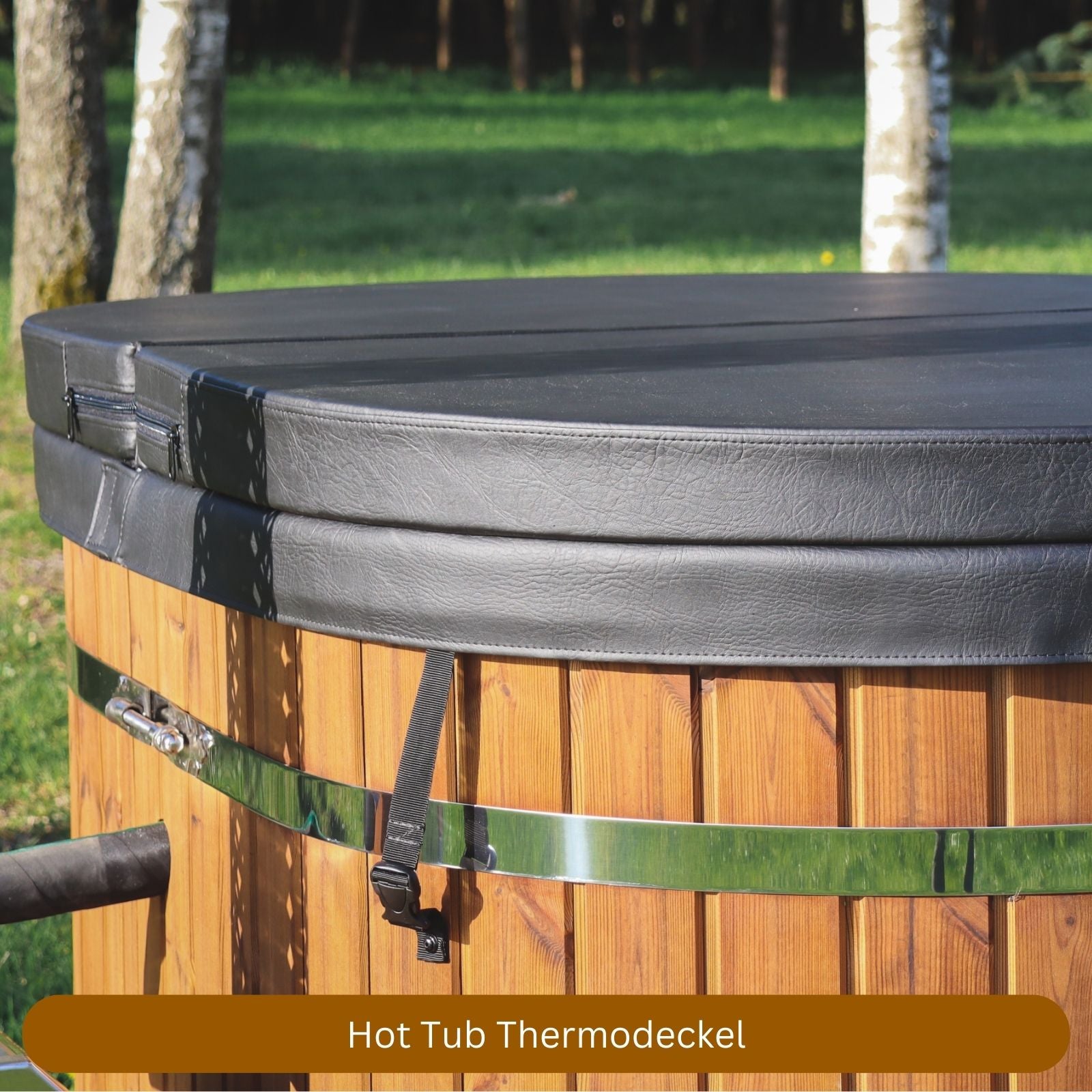
A high-quality cover fulfills several essential functions. Primarily, it serves as a safety barrier, especially in households with children or pets. According to the recommendations of the German Association for Bathing Facilities, hot tub covers should be able to support a minimum weight of 70 kg and have locking mechanisms that cannot be opened by children.
Besides the safety aspect, roof covers offer significant energy-saving benefits. Adequate insulation can reduce energy consumption by up to 30% by minimizing heat loss. Investing in a high-quality roof cover therefore pays for itself within a few years through reduced heating costs.
Cover lifters are supplementary devices that make removing the often heavy covers easier. They are available in various designs:
- Manual jacks with gas springs (from approx. €150)
- Semi-automatic systems with support mechanisms (€200-350)
- Fully automatic electrical systems (from €500)
Handrails and boarding aids
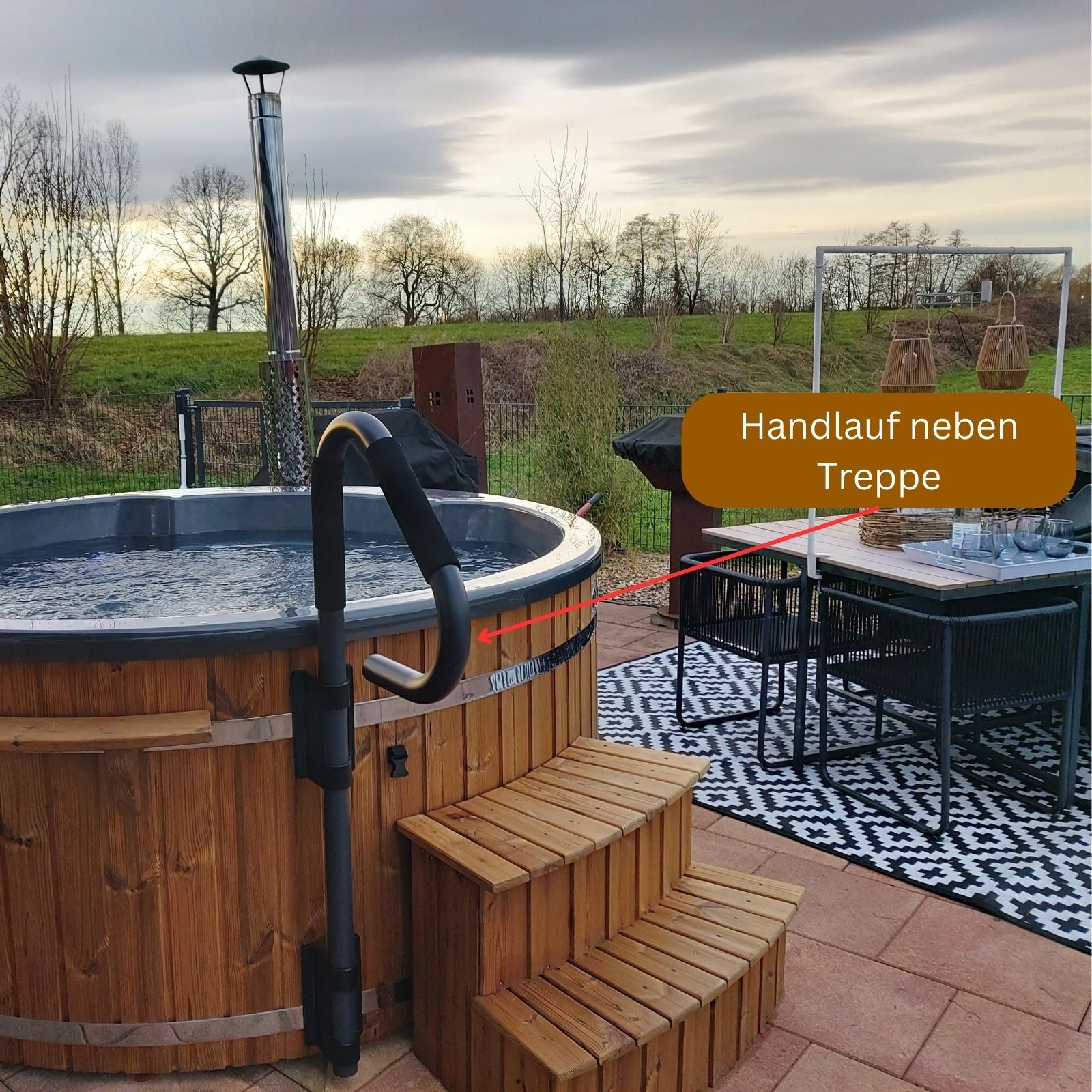
Getting in and out of the vehicle poses a significant risk of accidents, especially on wet surfaces. Sturdy handrails made of corrosion-resistant materials such as stainless steel or treated aluminum provide essential support. Look for securely anchored models certified for outdoor use with a minimum load capacity of 100 kg.
Entry steps with non-slip treads complete the safety features and allow especially elderly people or those with limited mobility to enter comfortably and safely. High-quality models have adjustable feet that ensure stable positioning even on uneven surfaces.
Non-slip mats and floor tiles
The immediate area around the hot tub should be equipped with non-slip materials. Special outdoor mats with a drainage system offer several advantages:
- Increased slip resistance thanks to structured surfaces
- Drainage properties for rapid drainage of splash water
- Insulating effect when placed on concrete surfaces
- Protection of the substrate from moisture and chemical exposure
Modular systems allow for flexible adaptation to different floor plans and can be expanded as needed. Look for UV-resistant materials with anti-slip certification according to DIN 51097.
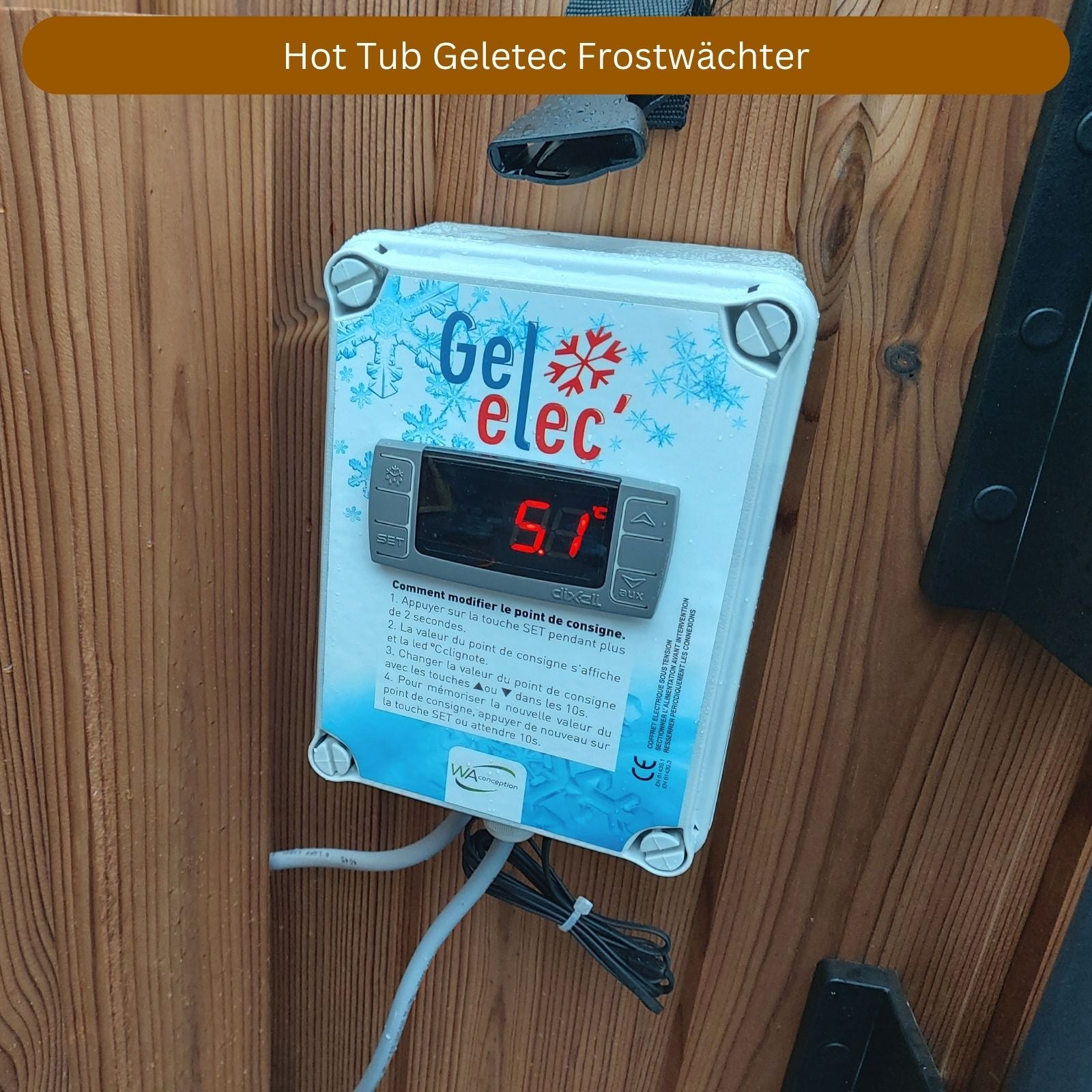
Thermometers and temperature monitoring systems
Monitoring the water temperature is not just a comfort factor, but also an important safety aspect. The optimal bathing temperature is between 37°C and 40°C. Higher temperatures can be hazardous to the health of people with cardiovascular diseases, pregnant women, or children.
Modern surveillance systems offer the following functions:
- Continuous temperature measurement with digital display
- Programmable alarm functions when defined values are exceeded or fallen below.
- For smart models: remote monitoring via smartphone app
- Automatic shutdown at critical values
Emergency shutdown devices
An often overlooked but essential safety feature is the emergency shutdown device. This should be easily accessible but protected against accidental activation. Advanced systems include:
- Waterproof emergency stop switches within reach of the hot tub
- Automatic shutdown upon detection of electrical anomalies
- Some models feature motion sensors that detect unusual activity in the water.
The installation of a separate residual current device (RCD) for the hot tub circuit is mandatory in Germany and offers additional protection against electrical accidents.
Investing in comprehensive safety accessories may seem expensive at first, but given the potential risks, this area should not be neglected. High-quality safety components not only increase user comfort but also ensure worry-free operation of your hot tub for many years.
Comfort accessories
The primary purpose of a hot tub is to promote relaxation and well-being. Appropriate comfort accessories can significantly enhance the user experience and transform the hot tub from a simple bathing vessel into a personal wellness oasis. This section presents the key comfort elements that every hot tub owner should consider.
Headrests and ergonomic pillows
Ergonomic support is crucial for longer relaxation sessions in the hot tub. High-quality headrests and pillows offer several advantages:
Specially designed hot tub headrests are made from water-resistant, UV-resistant materials such as closed-cell foam or soft vinyl. They are designed to withstand constant contact with water and chemicals. Prices range from €30 to €80 each, with brand-name products specifically designed for your hot tub type guaranteeing an optimal fit.
Ergonomic back cushions offer additional support and can be particularly valuable for people with back problems. They allow for more individualized positioning and significantly improve seating comfort. When choosing a cushion, look for quick-drying properties and secure fastening systems that prevent it from floating away during use.
With regular use, headrests and pillows should be replaced every 2-3 years, as even high-quality materials can be affected over time by constant exposure to water and chemicals.
Drink holders and floating trays
Having drinks or snacks within easy reach significantly increases user comfort. Several solutions exist for this purpose:
Rim-mounted drink holders attach to the edge of the hot tub and provide space for glasses or bottles. They are available in various designs, from simple plastic holders (€10-20) to high-quality stainless steel versions with integrated LED lights (€50-100). When choosing, ensure a stable mounting and sufficient depth to prevent tipping.
Floating trays offer a more flexible option and provide more surface area. Advanced models feature separate compartments for drinks, snacks, and even waterproof containers for electronic devices. High-quality floating trays made of UV-resistant material cost between €40 and €120, depending on size and functionality.
Some manufacturers also offer serving trays that can be stretched over the hot tub, providing maximum stability. These are particularly suitable for social gatherings and cost from €80.
Underwater lighting and LED systems
Appropriate lighting serves both functional and aesthetic purposes. Modern LED lighting systems offer a wide range of possibilities:
Integrated underwater lighting bathes the hot tub in atmospheric light while simultaneously increasing safety by illuminating steps and seats. LED systems are energy-efficient and offer a lifespan of 20,000 to 50,000 hours. Retrofit kits for existing hot tubs start at around €100 for simple single lights and can cost up to €500 for programmable RGB systems with color-changing functions.
Perimeter lighting frames the hot tub with decorative light and improves visibility of the immediate surroundings. Weatherproof LED strips or built-in ground lights can be installed along the path to the hot tub or around its base. Solar-powered options eliminate the need for additional wiring and start at around €50 for basic models.
Advanced lighting systems can be synchronized with music or react to water movements, creating an immersive experience. These systems often offer remote control functions or smartphone integration and cost between €300 and €800.
When installing additional lighting, electrical safety must always be taken into account. All components should be approved for outdoor use and operation near water (IPX5 certification or higher).
Music systems and waterproof speakers
Audio entertainment can further enhance the relaxation experience. Several options exist for integrating audio features:
Audio systems specifically designed for hot tubs include waterproof speakers that can be mounted on the rim or integrated into the structure. These systems typically include Bluetooth connectivity for connecting to smartphones or other playback devices. Complete retrofit kits with an amplifier and multiple speakers cost between €300 and €800.
Waterproof Bluetooth speakers offer a more flexible and cost-effective alternative. These can be placed near the hot tub or attached to the edge using special mounts. High-quality floating speakers with IPX7 certification or higher start at around €80 and offer a battery life of 6-10 hours.
Floor-mounted transducers, installed beneath the hot tub, transmit vibrations through the shell and water, creating a unique sound experience where the entire hot tub acts as a resonating chamber. This more advanced technology starts at €250 for basic models.
When installing music systems, electrical safety is of paramount importance. All components should be designed for outdoor use and ideally battery-powered or low-voltage. The volume should be kept moderate to avoid disturbing neighbors and to maintain a relaxing atmosphere.
Investing in high-quality comfort accessories can significantly enhance your hot tub experience. While some items like headrests and cup holders can be considered basic comfort features, advanced lighting, aromatherapy, and audio systems offer opportunities to create a personalized wellness experience that goes far beyond simply bathing. When choosing accessories, always pay attention to water resistance, UV resistance, and secure mounting options to ensure longevity and optimal functionality.
Weather protection and outdoor accessories
Installing a hot tub outdoors requires special consideration for weather protection. Suitable accessories can extend the usage season, improve energy efficiency, and increase the hot tub's lifespan. This section covers the main options for optimal weather protection and the design of the surrounding outdoor area.
Pavilions and canopies
A roof provides protection from rain, direct sunlight, and falling leaves. Various solutions exist, each with its own advantages and disadvantages:
Freestanding hot tub pavilions are specifically designed for this purpose and offer complete roofing with side weather protection. These structures feature reinforced frames, weather-resistant materials, and often integrated lighting or ventilation systems. Quality pavilions made of aluminum or treated wood with weatherproof roofs cost between €1,500 and €5,000, but offer comprehensive protection and an aesthetically pleasing solution.
Retractable canopies offer flexible use. These systems can be extended as needed, providing the option of choosing between sheltered and open use. Motorized systems with remote control offer maximum convenience but are correspondingly expensive, starting at €3,000. Manual systems are available from around €1,000.
Permanent structures such as attached carports or dedicated garden sheds offer the most comprehensive solution. They provide complete weather protection but may require building permits. Costs vary considerably depending on size and features, but typically start at €5,000 for simple structures.
The following factors should be considered when choosing a roof:
- Load-bearing capacity (especially in regions with snowfall)
- UV resistance and weather resistance
- Ventilation options to prevent moisture build-up
- Insulation properties for winter use
- Compatibility with the existing garden design
Windbreaks and privacy screens
Adequate wind and privacy protection increases both comfort and energy efficiency:
Modular privacy screens can be flexibly arranged around the hot tub, providing both wind and privacy protection. These elements are available in various materials, including treated wood, composites, or aluminum with inserts of glass, plastic, or textiles. High-quality systems with a height of 180-200 cm cost between €150 and €300 per linear meter.
Planters with integrated privacy screens combine functionality with natural aesthetics. These can be planted with hardy plants to create a living privacy screen. Robust versions made of frost-resistant materials start at €200 per element.
Windbreaks made of transparent acrylic or safety glass provide wind protection without obstructing the view. This solution is particularly suitable for locations with attractive surroundings. The cost for custom-made glass systems starts at approximately €400 per square meter, including the mounting system.
When planning wind and privacy screens, the prevailing wind direction must be taken into account. Accessibility for maintenance work and compliance with local building regulations should also be considered.
Outdoor lighting for the surrounding area
Well-planned lighting of the surrounding area serves both safety and atmosphere:
Pathway lighting increases safety when accessing the hot tub at night. Low bollard lights or recessed LED spotlights mark the way without being blinding. Solar-powered models eliminate the need for additional wiring and cost between €20 and €80 per light.
Ambient lighting creates a relaxing atmosphere around the hot tub. Weatherproof LED strips installed under benches or along pathways, indirect lighting of privacy screens, or special garden lights transform the area into an inviting wellness oasis. Complete lighting systems with transformer and weatherproof wiring cost between €200 and €800, depending on the scope of the project.
Intelligent lighting systems allow for the programming of various lighting scenarios, automatic activation at dusk, or integration into a smart home system. Prices for such systems start at around €300, plus installation.
All outdoor lighting should be at least IP65 certified to ensure adequate protection against moisture and dust. For areas in close proximity to the hot tub, IP67 certification is recommended.
Weatherproof storage solutions for accessories
Storing accessories, chemicals, and towels safely and dry near the hot tub significantly increases user comfort:
Specialized hot tub cabinets are designed for storing chemicals, filters, and smaller accessories. These are made from weather-resistant materials such as HDPE plastic or treated wood and often feature ventilated compartments for the safe storage of chemicals. Quality models cost between €200 and €500.
Towel racks and cabinets near the pool eliminate the need to bring wet towels back inside. Lockable, weatherproof cabinets with ventilation systems prevent mold and unpleasant odors. Functional models are available starting at €150.
Multifunctional storage benches combine seating with storage space. They can serve as additional seating when getting in and out of vehicles, while also providing space for towels, drinks, or personal items. Depending on the material and size, prices range from €200 to €600.
When selecting storage solutions, attention should be paid to UV resistance, moisture resistance, and ventilation. Childproof storage with adequate ventilation is essential, especially for chemicals.
Winterproof coverings and insulating materials
Adequate insulation reduces operating costs and allows use even at low outside temperatures:
Additional insulating mats for the exterior walls of the hot tub can significantly reduce heat loss. These mats are attached to the outside of the hot tub and encased in weatherproof materials. High-quality insulation kits cost between €300 and €800, depending on the size of the hot tub, but can reduce energy consumption by up to 40% during the colder months.
Floor insulation prevents heat loss through the floor. Special XPS panels with high compressive strength and low thermal conductivity form an effective insulating layer between the hot tub and the ground. The cost for adequate floor insulation is approximately €15-25 per square meter.
Thermal covers with enhanced insulation exceed the standard specifications of conventional covers. These premium products feature thicker insulation layers and improved edge seals that minimize heat loss through the water's surface—the area with the greatest potential for energy loss. High-quality thermal covers cost between €500 and €1,200, but offer significant energy savings and a longer lifespan.
Weatherproof enclosures for the control unit and pumps protect the sensitive technology from extreme weather conditions. This additional protective layer costs between €100 and €300 and can significantly extend the lifespan of the technical components.
Investing in high-quality weather protection and well-designed outdoor accessories not only increases user comfort but can also lead to significant long-term savings through reduced energy costs and an extended hot tub lifespan. These aspects should be considered during planning and budgeting, especially in regions with distinct seasons.
Conclusion and Summary
Choosing the right accessories for a hot tub is crucial for safety, ease of use, and long-term satisfaction. This final section summarizes the key findings and offers specific recommendations for different user profiles.
The most important accessories for beginners
For new hot tub owners, the sheer variety of available accessories can be overwhelming. A sensible basic set includes the following essential items:
A high-quality thermal cover is the most important initial investment. It reduces energy consumption by up to 70%, significantly increases safety, and protects the water from contaminants. For an average hot tub, you should budget €400-700 for a decent-quality cover. A good cover features a reinforced center fold, vapor barriers, UV-resistant material, and childproof fasteners.
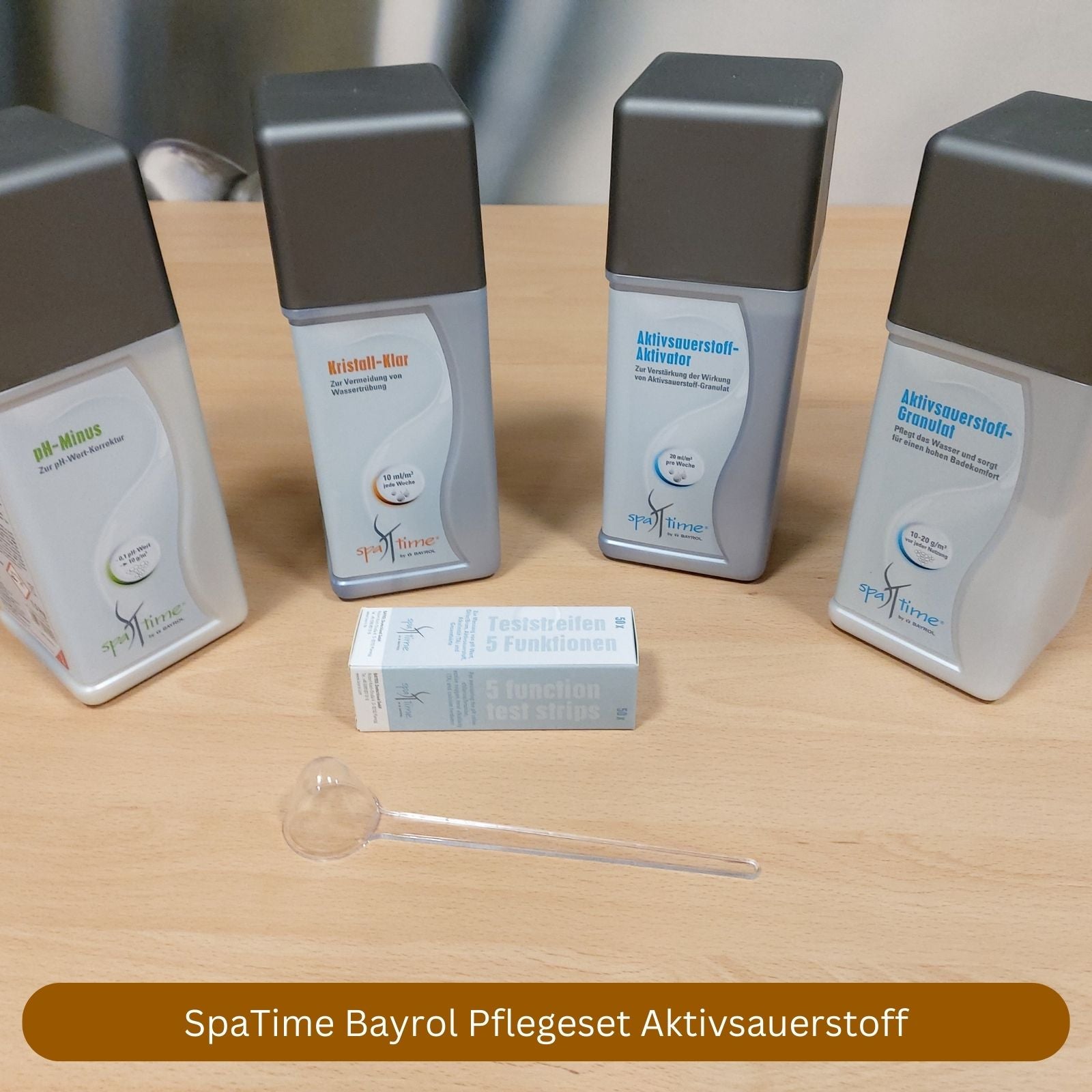
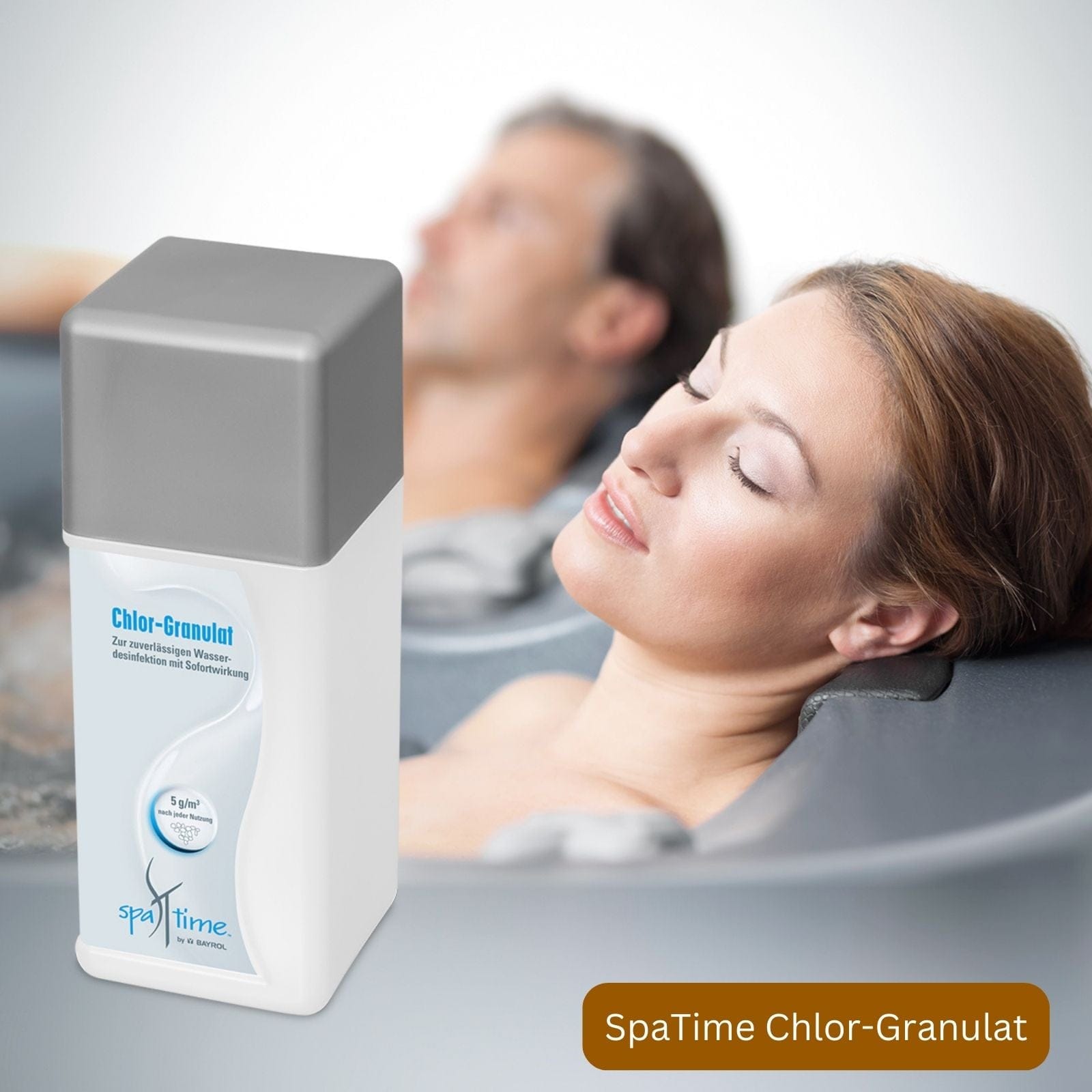
A comprehensive water care set forms the basis for hygienic bathing enjoyment. This should include the following components:
- Suitable disinfectant (chlorine, bromine or alternative systems)
- pH Plus and pH Minus for precise pH adjustment
- Water hardness stabilizers to prevent limescale deposits
- Precise test strips or electronic measuring devices
- Filter cleaning agent for regular maintenance
You should budget €150-200 for basic water care equipment, with ongoing costs of around €20-40 per month.
Access aids and safety accessories are essential, especially for families with children or elderly users. A sturdy staircase with a handrail costs between €150 and €300 and significantly improves safety when getting in and out. Additionally, non-slip mats for the surrounding area (€50–€100) and simple LED lighting (€80–€150) are recommended, offering both ambiance and safety benefits.
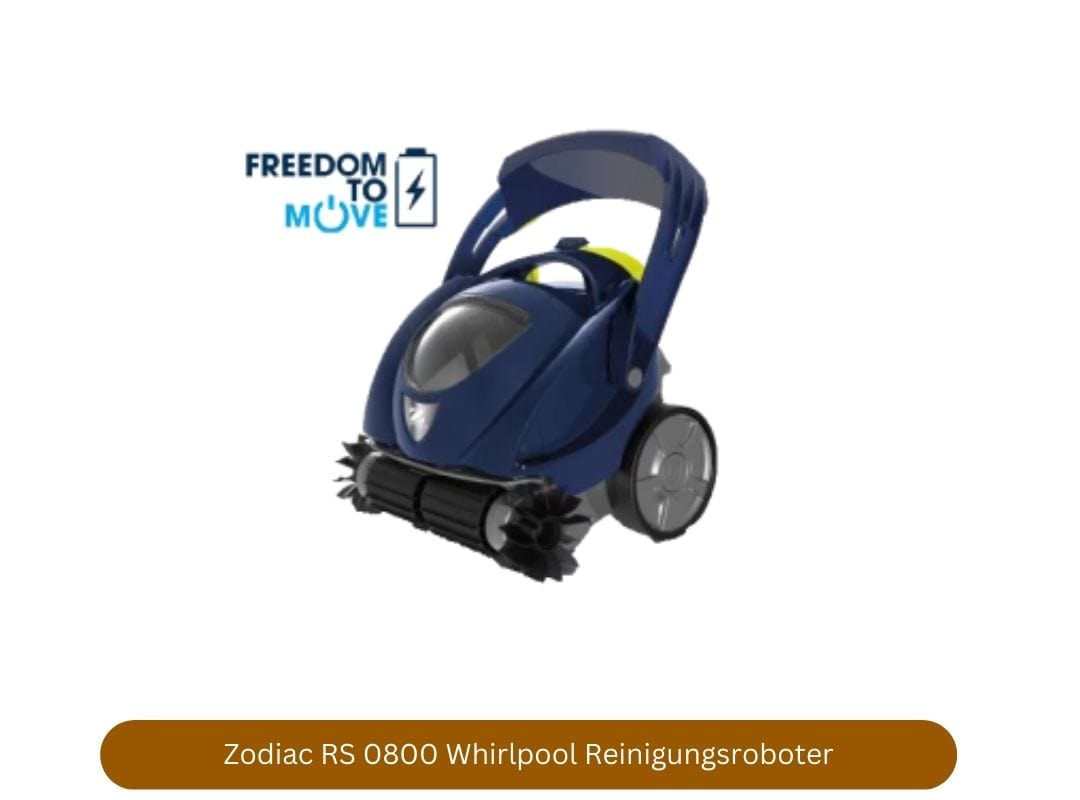
Basic cleaning equipment such as a net for surface dirt (€20-40), a special brush for the water level line (€15-30) and a simple hand vacuum cleaner (€40-80) complete the initial equipment and facilitate regular maintenance.
With a total investment of approximately €1,000-1,500 for the basic equipment described, a new hot tub owner is ideally equipped for safe, hygienic, and comfortable use. This investment pays for itself within a few years through the extended lifespan of the components, reduced energy consumption, and the avoidance of costly repairs.
Recommendations for experienced hot tub owners
Experienced users who have been operating their hot tub for a longer period of time benefit from targeted upgrades that increase comfort and efficiency:
Automated control and monitoring systems represent a valuable upgrade for long-term users. Wi-Fi-enabled control modules (€300-€600) allow remote monitoring and control via smartphone, optimize heating cycles, and reduce energy consumption through intelligent adaptation to usage patterns. The investment typically pays for itself within 2-3 years through energy savings of 15-25%.
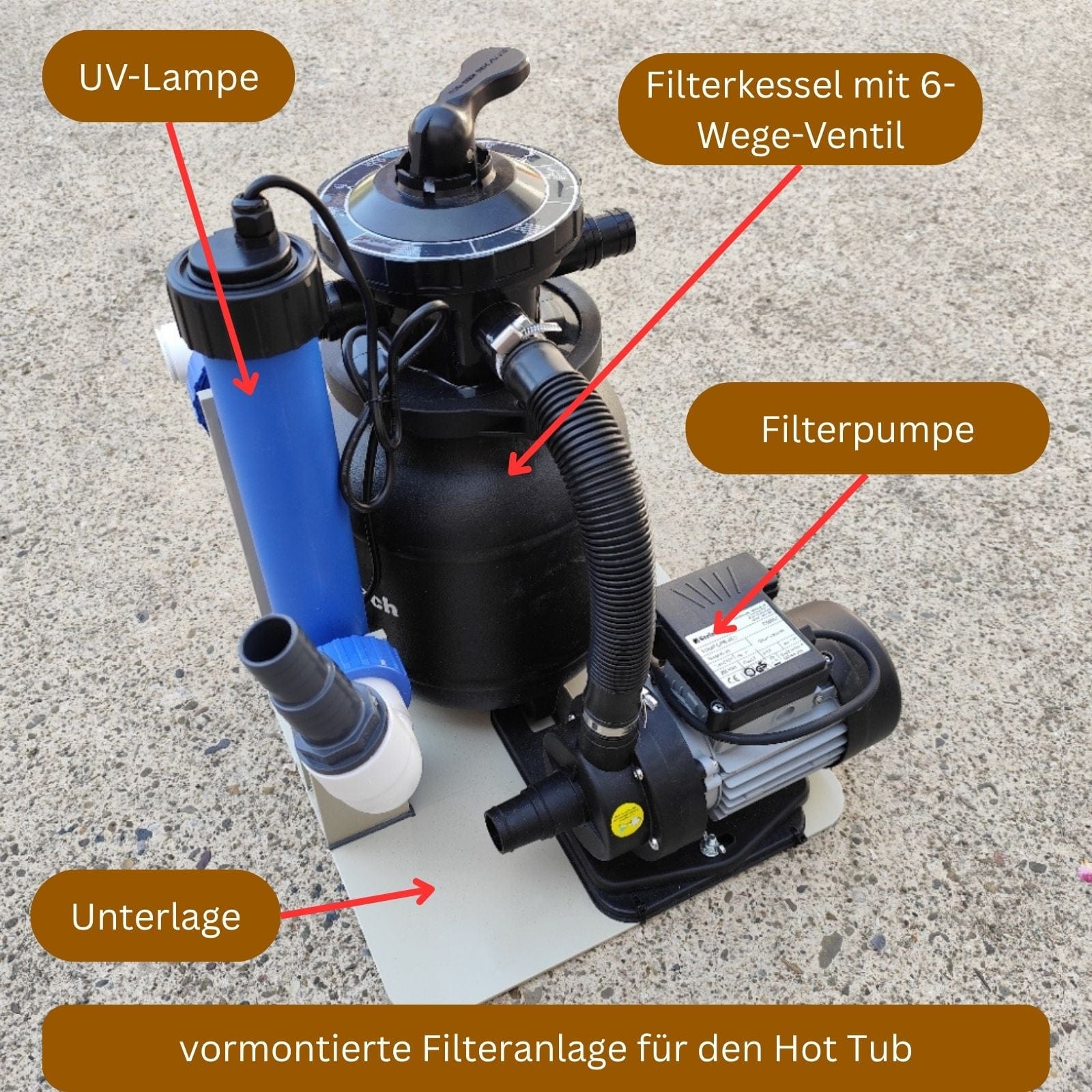
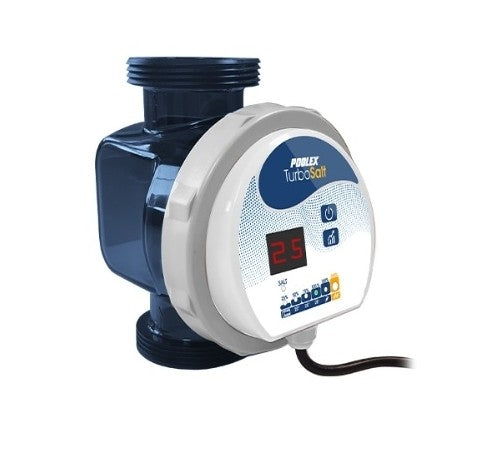
Improved filtration and water treatment systems represent another worthwhile upgrade. Alternative systems such as saltwater electrolysis (€600-€1,200) or mineral systems (€200-€400) reduce chemical consumption, improve water quality, and minimize skin irritation. Automatic dosing systems (€400-€800) ensure consistently optimal water parameters and significantly reduce manual maintenance.
Comfort upgrades such as improved hydrotherapy jets (€30-70 per jet), high-quality LED lighting systems with color changing and programming (€200-500), or integrated audio systems (€300-700) transform the bathing experience and offer new possibilities for use. These investments primarily increase the hedonistic value of the hot tub.
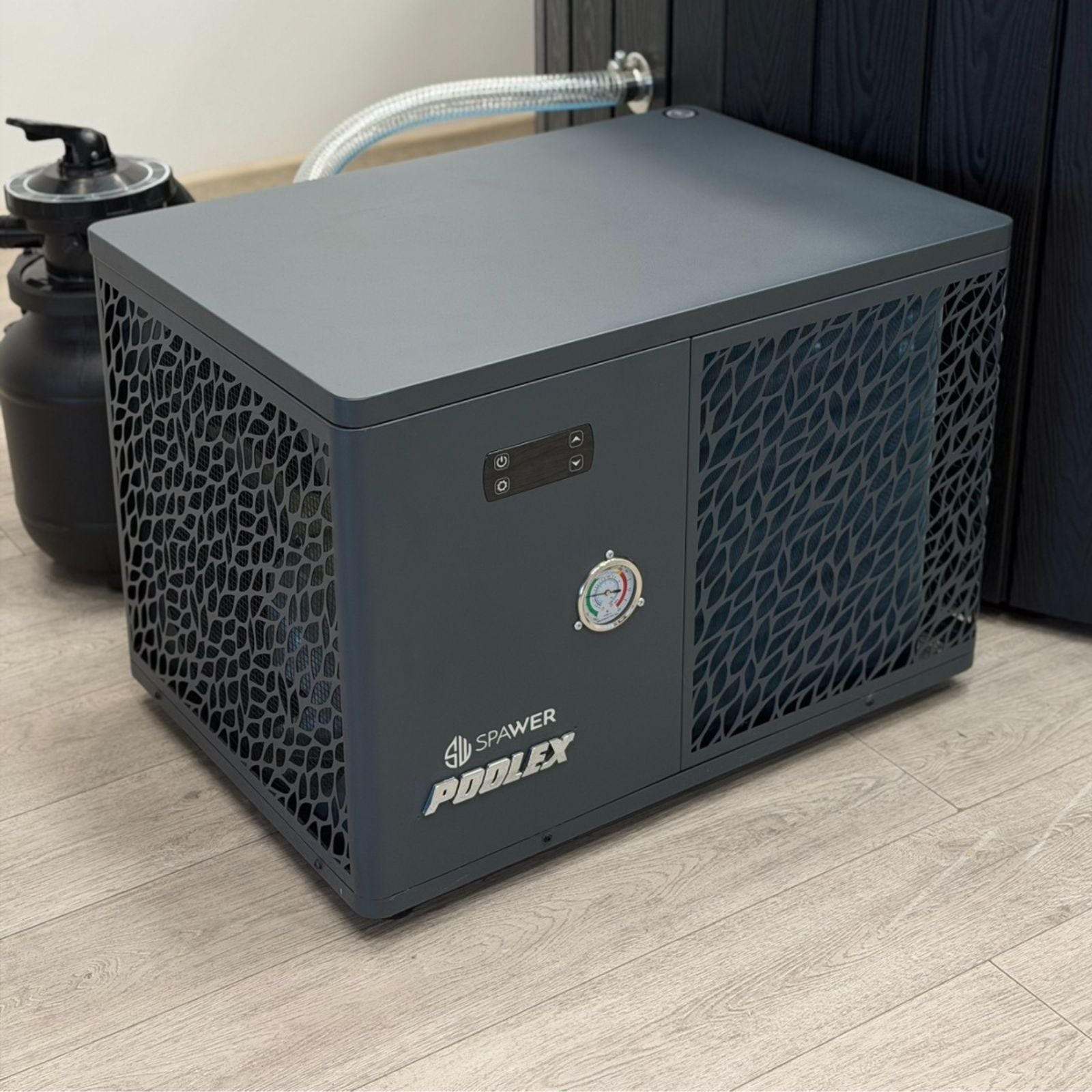
Energy efficiency improvements such as additional insulation (€300-700), improved heating systems (€500-1,000), or smart energy monitors (€150-300) can reduce operating costs for older hot tubs by 20-40%. The payback period for such investments is 2-4 years, depending on usage intensity and local energy prices.
Specialized tools for self-maintenance (€200-400 for a comprehensive set) enable experienced users to perform more complex maintenance tasks themselves, reducing service costs in the long run. Purchasing high-quality diagnostic equipment and specialized tools not only saves on external technician costs but also minimizes downtime through faster problem resolution.
For more comprehensive upgrades, a budget of €1,500-3,000 should be allocated, with a strategic implementation plan spread over several years being recommended. Priority should be given to measures that reduce operating costs or extend the lifespan of critical components.
